Introduction: Understanding How Solar Installation Really Works
Thinking about switching to solar energy? Great choice! But before you jump in, it’s smart to understand what actually happens during a solar installation.
Many homeowners in the USA and UK wonder how solar panels go from boxes on a truck to powering their entire home. This 2025 guide breaks down the complete solar installation process step-by-step — in simple English — so you’ll know exactly what to expect and how to prepare.
Why You Should Know the Solar Installation Process
Knowing how solar installation works helps you:
- Understand timelines and project stages.
- Avoid delays or installation mistakes.
- Ask the right questions to your installer.
- Ensure everything meets safety and quality standards.
Let’s walk through the process — from your first quote to turning on your clean energy system.
Step 1: Solar Consultation and Site Assessment
The process starts when you contact a certified solar installer for a free consultation.
What happens during this stage:
- A solar expert reviews your electricity bills to understand your energy needs.
- They inspect your roof size, direction, and shade levels.
- A custom solar plan is created showing system size, layout, and estimated savings.
💡 Tip: Choose certified companies — NABCEP-certified in the USA or MCS-certified in the UK — for guaranteed quality and safety.
Step 2: System Design and Proposal
Once the assessment is complete, the installer creates a detailed system design and cost estimate.
The proposal includes:
- The number and type of solar panels.
- Inverter model (string, micro, or hybrid).
- Total cost, savings estimate, and payback period.
- Roof layout and connection diagram.
This is the perfect time to compare quotes and ask about financing options, warranties, and incentives.
Step 3: Permits and Paperwork
Before installation begins, your installer handles all the necessary permits and approvals.
Common paperwork includes:
- Local building permits.
- Utility interconnection forms.
- State or national incentive applications (e.g., ITC or SEG).
✅ Pro Tip: A good installer manages all this for you, ensuring the process stays compliant and stress-free.
Step 4: Ordering Equipment
After approvals, your installer orders all the required equipment — solar panels, inverters, and mounting hardware.
- Panel Brands: SunPower, Q Cells, REC, or Canadian Solar are popular in 2025.
- Inverters: SolarEdge, Enphase, or SMA are common choices.
- Optional: Battery storage (like Tesla Powerwall or LG Chem) for extra savings.
The waiting period usually lasts 1–3 weeks, depending on product availability.
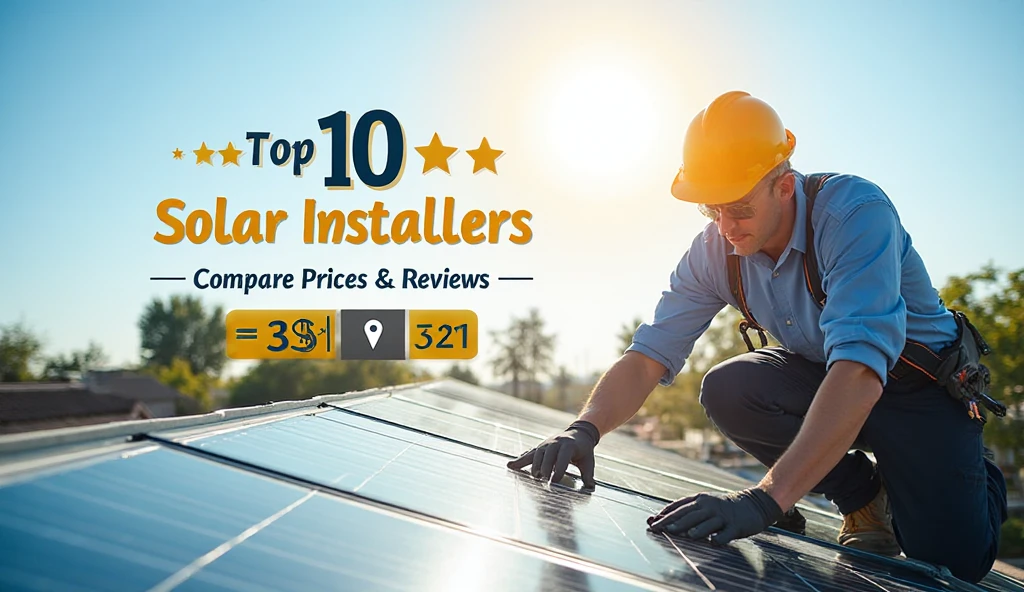
Step 5: Installation Day — Setting Up Your Solar Panels
Now the exciting part begins — the actual installation!
Typical installation steps:
- Roof preparation: Installers ensure your roof is clean and ready.
- Mounting system installation: Rails or brackets are attached securely.
- Panel placement: Solar panels are mounted and aligned for maximum sunlight.
- Wiring & inverter setup: Connects your panels to the inverter and power system.
- Battery installation (if applicable): Optional storage setup for backup energy.
Most residential installations take 1–3 days, depending on system size and weather conditions.
Step 6: Electrical Connection and Safety Inspection
Once the panels are installed, your system is connected to your home’s electrical grid.
Before activation, local authorities or utility companies perform a final inspection to verify:
- Wiring safety and grounding.
- Correct system size and meter configuration.
- Compliance with electrical codes and solar standards.
💡 Quick Tip: Don’t skip this step — it ensures your system is safe and eligible for rebates or grid connection.
Step 7: Utility Approval and Grid Connection
After passing inspection, your installer submits final documents to your utility provider.
Once approved, your utility company installs a net meter, allowing you to:
- Track your energy production and usage.
- Sell excess energy back to the grid (net metering in the USA or SEG in the UK).
This process usually takes 1–2 weeks after inspection.
Step 8: System Activation (“Solar Turn-On Day”)
Congratulations — it’s time to power on your solar system! 🌞
Your installer will walk you through the system’s performance monitoring tools, showing you how to check real-time energy production via a mobile app or web dashboard.
From this day onward, you’ll begin generating clean, renewable energy and reducing your monthly electricity bills immediately.
Step 9: Monitoring and Maintenance
Once your system is running, you should:
- Check your inverter or monitoring app weekly.
- Clean panels every 6–12 months to remove dirt or dust.
- Schedule an annual inspection to maintain peak efficiency.
Good News: Most modern panels in 2025 require minimal maintenance and last 25–30 years.
Step 10: Enjoy Solar Savings and Energy Independence
After installation, you’ll start noticing your power bills dropping right away.
Average homeowner savings (2025):
- USA: $1,000–$1,500 annually.
- UK: £300–£700 annually.
Plus, solar energy increases your home’s resale value and protects you from rising energy costs. It’s a win-win investment for your wallet and the environment.
Conclusion: Solar Installation Made Simple
By understanding the step-by-step solar installation process, you can confidently plan your solar project and make smarter choices.
From consultation to activation, each stage plays a vital role in ensuring your system runs safely and efficiently.
⚡ Ready to make the switch? Get a free quote from certified solar installers near you and start saving in 2025!
FAQs About the Solar Installation Process (2025)
1. How long does the full solar installation process take?
Usually 4–8 weeks, depending on permits, equipment availability, and utility approval.
2. Can I stay at home during installation?
Yes! The installation is non-invasive and safe — you can stay home throughout.
3. Do I need to replace my roof before installing solar panels?
Only if your roof is older than 15 years or damaged. A new roof ensures a secure foundation for your panels.
4. When do I start saving money after installation?
You’ll notice savings from your first electricity bill after activation.
Leave a Comment