Introduction: Making Solar Affordable in 2025
Thinking about installing solar panels but worried about the cost? You’re not alone. Many homeowners want to switch to renewable energy but hesitate because of the upfront price.
The good news? In 2025, there are plenty of flexible solar financing options that make going solar more affordable than ever — from zero-down loans to power purchase agreements (PPAs).
In this guide, we’ll break down the top 5 solar financing options that can help you save thousands on your solar installation while keeping monthly payments low.
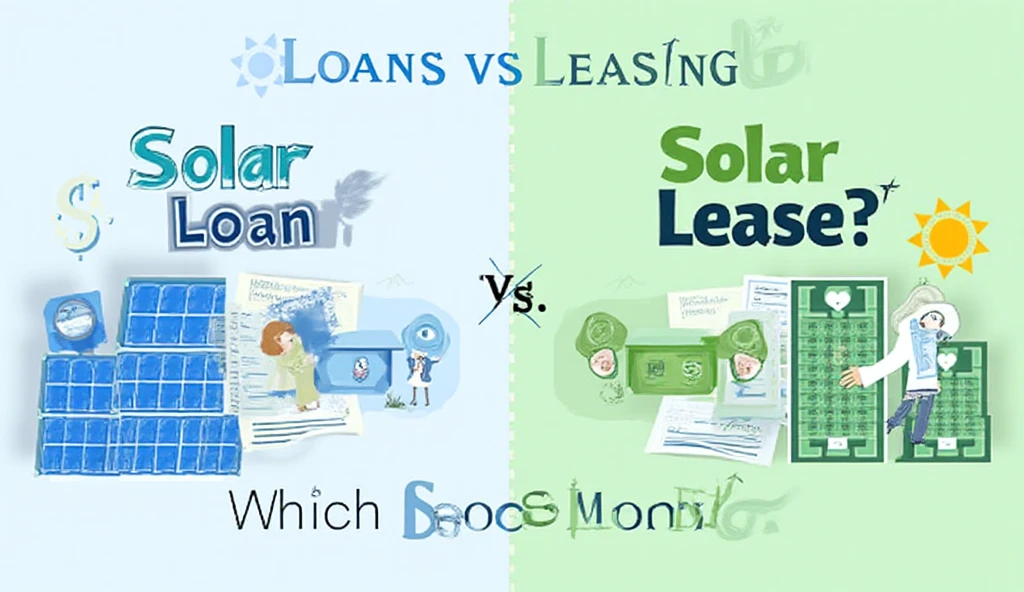
1. Solar Loans – Own Your System With Easy Monthly Payments
Best for: Homeowners who want to own their solar panels and qualify for tax credits.
Solar loans are the most popular way to finance solar systems in 2025. They work just like a car or home improvement loan — you borrow money, pay monthly installments, and own the system once it’s paid off.
Types of Solar Loans:
- Secured loans: Backed by collateral (like your home). Usually offer lower interest rates.
- Unsecured loans: No collateral required but may have slightly higher rates.
Pros:
- You own the solar system.
- You’re eligible for the 30% Federal Solar Tax Credit.
- Increase your home’s resale value.
- No long-term leasing contracts.
Cons:
- You’re responsible for system maintenance.
- Monthly payments may last 5–15 years.
💡 Example:
If your system costs $20,000 and you take a 10-year loan at 5% interest, your payment could be around $212/month — but you’ll still save hundreds each year on energy bills.
2. Solar Leases – Go Solar With No Upfront Cost
Best for: Homeowners who want instant savings without buying a system.
A solar lease lets you rent solar panels from a provider for a fixed monthly fee. You don’t own the system, but you benefit from cheaper electricity rates.
How It Works:
The solar company installs and maintains the system. You simply pay a set amount each month, usually lower than your current electric bill.
Pros:
- $0 upfront cost.
- The installer handles all maintenance and repairs.
- Immediate savings on energy bills.
Cons:
- You don’t own the system, so no tax credits.
- Savings are smaller over time compared to ownership.
- Lease contracts usually last 20–25 years.
💡 Tip: Leases are best for homeowners who want a low-risk, hassle-free solar solution without worrying about maintenance or repairs.
3. Power Purchase Agreements (PPAs) – Pay Only for the Power You Use
Best for: Homeowners who want low-cost solar power without ownership.
A Power Purchase Agreement (PPA) is similar to a lease, but instead of paying a flat fee, you pay for the electricity your solar system produces — at a rate lower than your utility company’s price.
How It Works:
The solar company installs, owns, and maintains the panels. You agree to buy the solar electricity they generate for 10–25 years at a fixed rate per kilowatt-hour (kWh).
Pros:
- No upfront cost.
- Predictable, lower energy bills.
- Maintenance and repairs covered.
Cons:
- No ownership, so you don’t get tax credits.
- Savings depend on how much power your system produces.
- Contract terms can be long and inflexible.
💡 Example:
If your utility charges $0.20 per kWh and your PPA rate is $0.13 per kWh, you save 35% on electricity every month!
4. Home Equity Loans or HELOCs – Use Your Home to Finance Solar
Best for: Homeowners with equity who want low-interest financing.
A Home Equity Loan or Home Equity Line of Credit (HELOC) allows you to borrow against your home’s equity to pay for solar installation.
Pros:
- Very low interest rates (typically lower than personal loans).
- You own the solar system.
- Eligible for the Federal Solar Tax Credit.
Cons:
- Your home is used as collateral.
- Approval depends on your credit and home value.
💡 Tip: If you’ve built up equity in your home, using a HELOC can make your solar investment cheaper over time while still qualifying for all solar incentives.
5. Cash Purchase – Maximize Long-Term Savings
Best for: Homeowners who can afford to pay upfront for maximum savings.
Paying cash for your solar panels gives you the highest return on investment (ROI). You own the system outright, qualify for all incentives, and avoid paying interest or lease fees.
Pros:
- Full ownership from day one.
- 30% Federal Solar Tax Credit.
- No monthly payments or interest.
- Maximum lifetime savings.
Cons:
- High upfront cost (usually $15,000–$25,000).
- Payback period typically 6–9 years.
💰 Quick Math:
If your system costs $20,000, you get a $6,000 tax credit and save up to $1,500/year on electricity — meaning it pays for itself in about 8 years.
Comparison: Which Solar Financing Option Is Right for You?
| Option | Ownership | Upfront Cost | Eligible for Tax Credit | Best For |
|---|---|---|---|---|
| Solar Loan | Yes | Low to Medium | ✅ Yes | Long-term savings |
| Solar Lease | No | $0 | ❌ No | Low-risk users |
| PPA | No | $0 | ❌ No | Predictable monthly bills |
| HELOC / Home Equity | Yes | Medium | ✅ Yes | Low-interest financing |
| Cash Purchase | Yes | High | ✅ Yes | Maximum savings |
💡 Tip: If you want ownership and tax credits, choose solar loans or cash purchases. If you prefer no upfront cost, go for a lease or PPA.
Bonus: State Incentives & Rebates Can Boost Savings
In addition to financing options, homeowners in the USA can save even more with:
- State Solar Rebates: Available in states like California, New York, and Massachusetts.
- Net Metering: Get credits for extra power sent to the grid.
- Property Tax Exemptions: Many states exclude solar systems from property tax increases.
- Utility Rebates: Some local utilities offer cashback for solar installations.
Combine these incentives with smart financing, and you can cut your solar costs by 40–60%!
Conclusion: Choose Smart Financing and Save Big on Solar in 2025
In 2025, solar energy isn’t just eco-friendly — it’s financially smart. With multiple solar financing options like loans, leases, PPAs, and tax incentives, nearly every homeowner can afford to go solar.
Whether you want to own your system for maximum savings or enjoy zero-down solar plans, there’s a perfect option for you.
⚡ Ready to save thousands?
Compare offers from certified solar installers near you and start your solar journey today!
FAQs: Solar Financing Options 2025
1. What is the best solar financing option?
If you can afford it, a cash purchase offers the highest long-term savings. Otherwise, solar loans provide ownership and great returns with manageable monthly payments.
2. Can I get solar with no money down?
Yes. Leases and PPAs allow you to install solar panels with $0 upfront cost.
3. Do solar loans affect my credit score?
Yes, like any loan, it’s a financial commitment. But consistent payments can improve your credit over time.
4. Can I combine financing with incentives?
Absolutely! You can pair your financing method with the Federal Solar Tax Credit and state rebates for maximum savings.
Leave a Comment