Introduction: Why 2025 Is the Best Year to Go Solar
Homeowners across the USA and UK are switching to solar energy faster than ever in 2025. Rising energy costs, better technology, and government incentives make residential solar installation a smart investment for both your wallet and the planet.
But here’s the secret — how you plan your installation can save you thousands. In this guide, we’ll share expert solar tips to help you reduce upfront costs, increase efficiency, and enjoy maximum solar savings from day one.
What Is Residential Solar Installation?
Residential solar installation means setting up solar panels on your home’s roof or property to generate your own electricity.
A complete solar system usually includes:
- Solar panels – Capture sunlight and turn it into electricity.
- Inverter – Converts DC power to usable AC power.
- Mounting system – Holds panels securely on your roof.
- Battery storage (optional) – Stores excess energy for night use.
Once installed, your home produces clean energy, lowers utility bills, and increases property value — all while helping the planet.
Average Cost of Residential Solar Installation (2025)
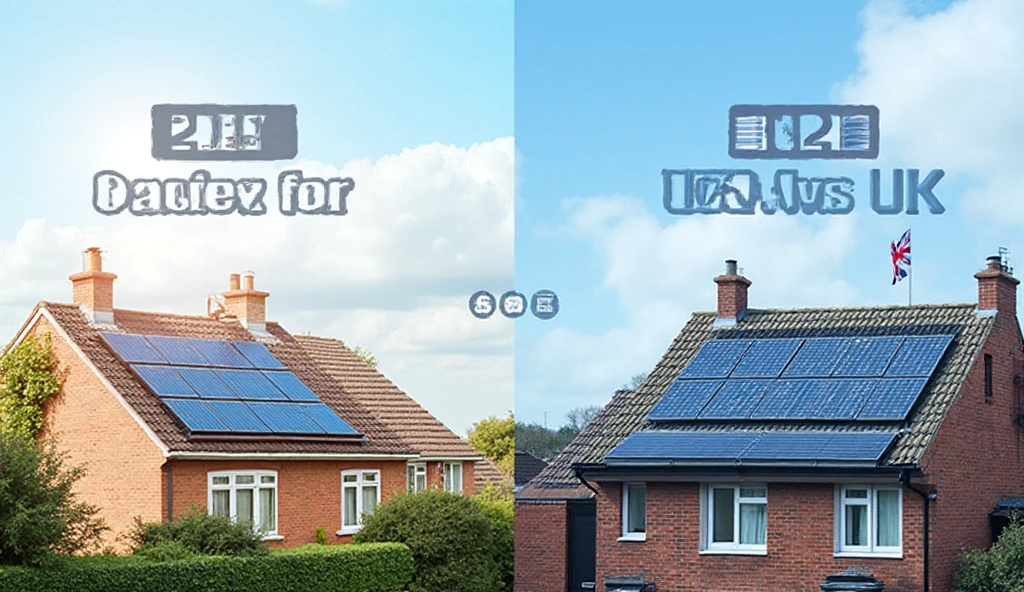
The cost of going solar varies depending on your location, roof type, and energy needs. Here’s a general 2025 breakdown:
| Location | Average System Size | Average Cost (Before Incentives) | After Incentives |
|---|---|---|---|
| USA | 5–10 kW | $12,000 – $25,000 | $8,400 – $17,500 (with 30% ITC) |
| UK | 3–6 kW | £5,000 – £9,500 | £4,000 – £8,000 (with SEG benefits) |
💡 Quick Tip: Always claim available solar incentives or rebates — they can cut your total cost by 20–30%!
Expert Tips to Save Thousands on Solar Installation
Here are proven ways to make your solar investment more affordable and efficient.
1. Take Advantage of 2025 Solar Incentives
Governments in both the USA and UK are rewarding homeowners for choosing clean energy.
- USA: The Federal Solar Tax Credit (ITC) covers 30% of installation costs. Some states offer additional rebates or net metering, which pays you for extra energy sent back to the grid.
- UK: Under the Smart Export Guarantee (SEG), you earn money for every unit of electricity you export to the grid.
💰 Savings Tip: Apply early — some regional incentives have limited annual funding!
2. Compare Multiple Solar Installers
Never settle for the first quote. Get at least three estimates from certified solar companies. Compare:
- Equipment brands (panels and inverters)
- Warranty terms
- Installation timelines
- Maintenance services
Pro Tip: Look for NABCEP-certified installers in the USA or MCS-certified providers in the UK to ensure quality and safety.
3. Choose the Right System Size
Bigger isn’t always better. Oversizing your system increases costs unnecessarily.
- Review your average monthly electricity usage.
- Consider future needs, like EV charging or heat pumps.
- Ask your installer to perform a solar site assessment for accuracy.
A perfectly sized system ensures you save the most without overspending.
4. Explore Financing Options
Can’t afford to pay upfront? No problem. In 2025, many homeowners use financing to go solar.
Common options include:
- Solar Loans: Own your system and pay monthly.
- Leasing or PPA: Pay only for the energy you use.
- Green Energy Grants: Available in select regions.
These plans can help you start saving from day one with little to no upfront cost.
5. Install Energy Storage (Battery Backup)
Adding a solar battery helps you store excess energy during the day for use at night or during power outages.
While batteries add to upfront cost, they:
- Increase energy independence.
- Lower your evening electricity bills.
- Maximize your return on investment.
Popular Options (2025): Tesla Powerwall, Enphase IQ Battery, and LG Chem.
6. Optimize Your Roof Before Installation
Before you install panels, make sure your roof is in top shape.
- Repair or replace damaged shingles.
- Remove shade from nearby trees.
- Choose a south-facing area for maximum sunlight.
A strong, clear roof ensures your system performs efficiently for decades.
7. Monitor and Maintain Your System Regularly
Even the best solar panels need occasional maintenance.
- Clean panels twice a year to remove dust or debris.
- Check your inverter and wiring for proper performance.
- Use a monitoring app to track daily energy output.
Small maintenance steps can extend your system’s life and keep efficiency above 95%.
How Much Can You Save With Solar Energy?
The average homeowner saves $1,000–$1,500 per year in the USA and £300–£700 per year in the UK after switching to solar.
Over 25 years, that adds up to:
- $25,000–$35,000 in savings (USA)
- £7,000–£15,000 in savings (UK)
Plus, homes with solar panels often see a 4–6% boost in resale value — another long-term win!
Common Mistakes to Avoid
Avoid these costly errors when planning your solar installation:
- Choosing unlicensed installers.
- Ignoring roof condition or direction.
- Not comparing multiple quotes.
- Forgetting about maintenance.
- Skipping incentive applications.
✅ Fix: Take time to research and plan. A few extra hours of preparation can save you thousands in the long run.
Conclusion: Turn Your Home Into a Power Source
In 2025, residential solar installation is more affordable and rewarding than ever. With the right strategy, you can cut installation costs, earn long-term savings, and enjoy clean, renewable energy every day.
Don’t wait — the sooner you go solar, the sooner you start saving.
☀️ Get a free solar quote today and see how much you can save this year!
FAQs About Residential Solar Installation (2025)
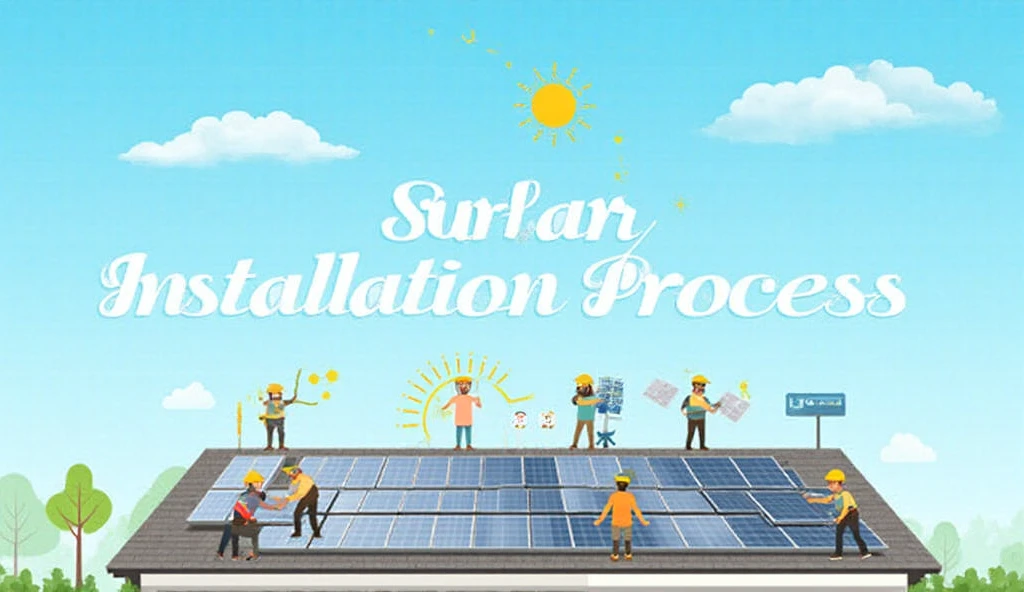
1. How long does a residential solar installation take?
Usually 1–3 days, depending on your system size and roof condition.
2. Are solar panels worth it in cloudy areas?
Yes. Even in cloudy regions like the UK, panels still generate 60–80% of their normal output.
3. Do solar panels increase home value?
Yes, studies show homes with solar panels sell for 4–6% more on average.
4. What maintenance do solar panels need?
Just occasional cleaning and an annual inspection — they’re largely maintenance-free.
Leave a Comment